




The Evolution of Urban Streetwear: From Subculture to Mainstream Dominance
Dec
Urban streetwear has transcended its humble beginnings as an underground movement to become a dominant force in global fashion. Rooted in individuality and rebellion, streetwear embodies the cultural pulse of the streets, blending influences from skateboarding, hip-hop, graffiti, and sportswear. Its journey from niche to mainstream reflects the shifting dynamics of fashion and the power of cultural expression.
Origins of Streetwear
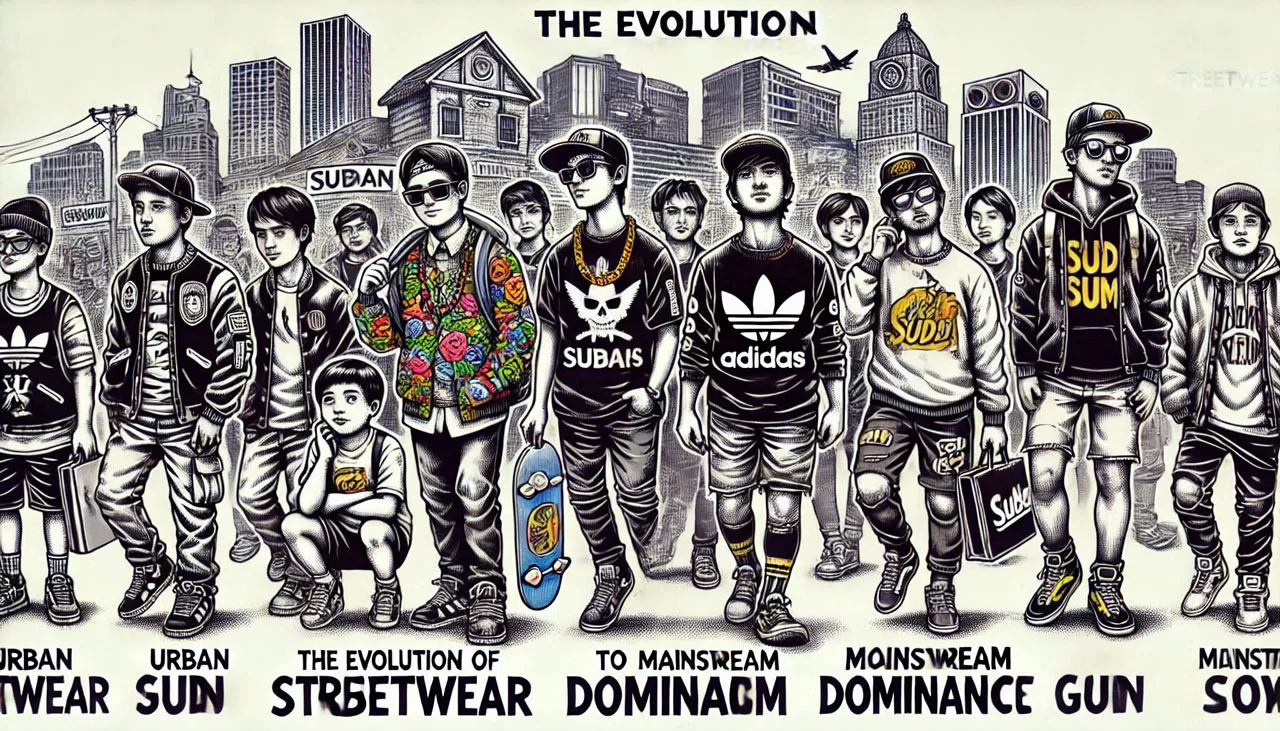
Streetwear emerged in the late 1970s and early 1980s in urban hubs like New York, Los Angeles, and Tokyo. It was deeply tied to subcultures that prioritized self-expression over traditional fashion norms. Skateboarders in California adopted durable, casual clothing, favoring brands like Vans and Stüssy. At the same time, hip-hop culture in New York shaped streetwear with oversized silhouettes, bold colors, and iconic logos like Adidas and Puma.
This period marked the birth of a style that was both practical and expressive, allowing wearers to align their fashion choices with their cultural identities. Early streetwear wasn’t about high price tags or exclusivity—it was about authenticity.
The Rise of Streetwear Brands
By the 1990s, streetwear gained momentum as independent brands like Supreme and A Bathing Ape (BAPE) began blending street culture with luxury aesthetics. Supreme, for example, started as a skate shop in New York but quickly evolved into a global icon of limited-edition drops and hype culture. Similarly, BAPE introduced bold camo prints and distinctive branding that captured the imagination of urban youth worldwide.
This era saw the integration of streetwear into the wider fashion landscape, as collaborations between streetwear brands and high-fashion houses began to blur the lines between street and luxury. Nike’s partnerships with artists and designers, such as the launch of the Air Jordan line, further cemented streetwear’s influence on mainstream culture.
Streetwear’s Mainstream Explosion
The 2000s and 2010s marked streetwear’s transition from niche to mainstream. Celebrities like Kanye West and Rihanna became influential figures in defining streetwear’s aesthetic, launching their own lines and collaborating with established brands. West’s Yeezy line with Adidas exemplified how streetwear could merge high fashion with everyday appeal.
Social media platforms like Instagram amplified streetwear’s reach, creating a global community of enthusiasts who eagerly awaited the latest drops. The rise of resale platforms like StockX and Grailed turned limited-edition streetwear into coveted collectibles, with some items reselling for thousands of dollars.
Cultural Impact
Streetwear has become more than just a style; it’s a cultural phenomenon. It represents rebellion, creativity, and individuality, resonating with a generation that values authenticity. Streetwear’s influence extends beyond fashion, impacting music, art, and even social activism. Brands often use their platforms to address societal issues, from racial justice to environmental sustainability.
The Future of Urban Streetwear
As streetwear continues to evolve, sustainability and inclusivity are becoming key priorities. Emerging brands are focusing on eco-friendly materials and ethical production methods, while established players are redefining their strategies to stay relevant in a rapidly changing world. Additionally, streetwear’s global appeal has led to the fusion of cultural influences, creating a more diverse and dynamic landscape.
Conclusion
Urban streetwear’s journey from the fringes of society to the forefront of fashion is a testament to its adaptability and cultural relevance. What started as a form of self-expression for subcultures has grown into a powerful symbol of creativity and individuality. As it continues to break boundaries and redefine norms, streetwear remains a vital force in shaping the future of fashion and culture.